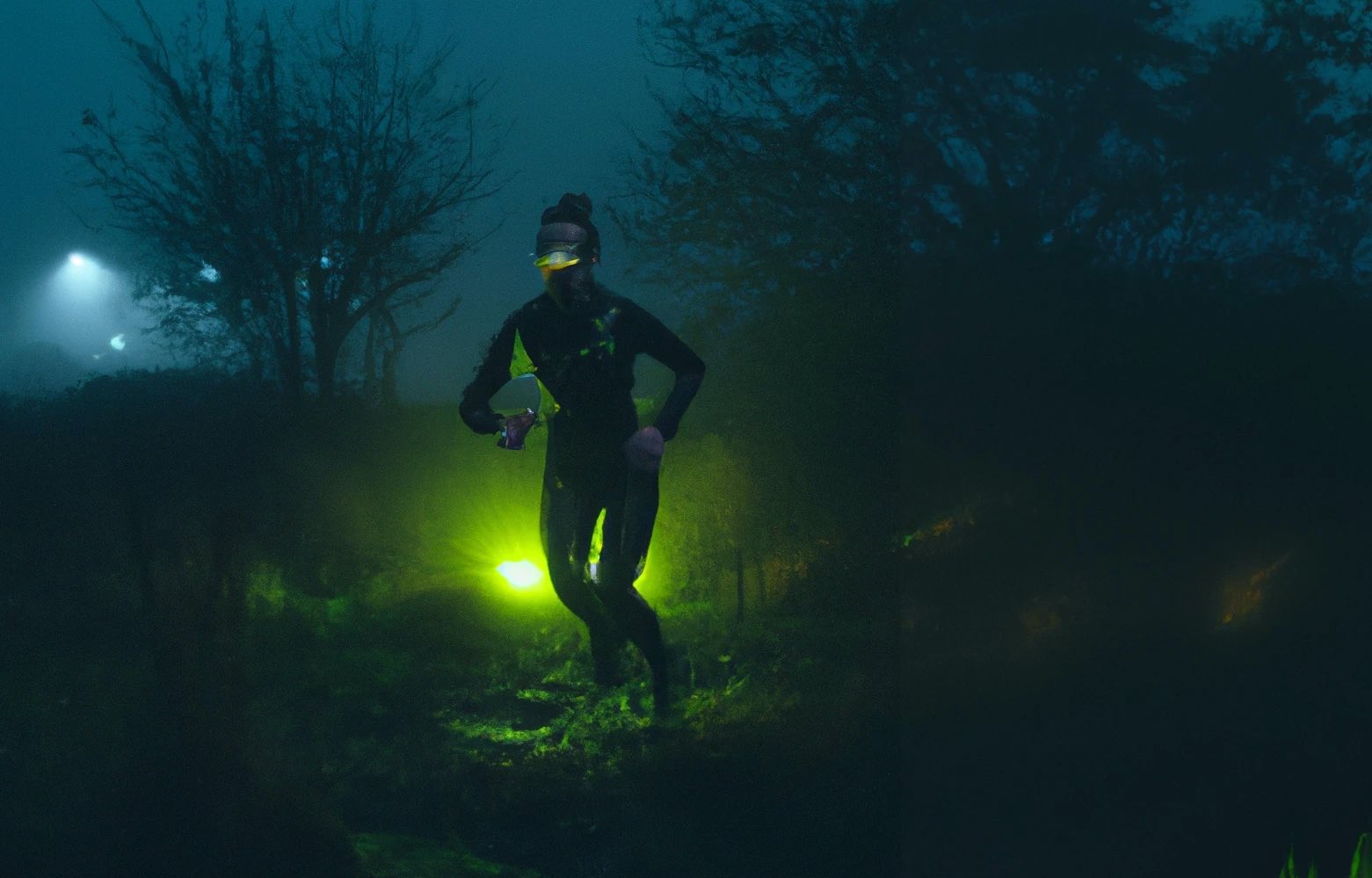
There is a particular moment that almost every trail runner can name precisely. It usually happens a few months into the practice, somewhere on a path where the pavement ends and the earth takes over — on a ridge, in a forest, on the kind of slope that demands all your attention just to stay upright. The mind goes quiet. The noise of notifications, deadlines, and ambient modern anxiety simply stops. What replaces it is something that is hard to articulate but instantly recognisable: presence.
This is not a marketing claim. It is a neurobiological reality that researchers have been documenting with increasing precision. And it is one of the primary reasons why trail running has become one of the world's fastest-growing sports in 2026 — not as a niche pursuit for mountain maniacs, but as a mass movement attracting millions of participants from cities, suburbs, and every continent on earth.
The numbers are striking. Global participation in trail and ultra-distance events has grown by over 300 per cent in the past five years. The UTMB World Series — the premier international trail running competition — now operates across more than 30 countries on six continents. Race registrations routinely sell out within minutes, years in advance for the marquee events. Major brands that once ignored the category entirely have committed hundreds of millions of euros to product development. And the technology surrounding trail running — from AI-powered training platforms to biomechanically engineered carbon-fibre shoes — has advanced at a pace that would have seemed implausible to someone who laced up trail shoes just a decade ago.
Understanding why trail running has reached this cultural moment, and what it means for people who are considering making it part of their lives, requires looking at the science, the technology, the culture, and the practical realities of what the sport actually demands.
Why Trail Running Is Fundamentally Different
The most important thing to understand about trail running is that it is not road running with a different surface underfoot. It is a different activity with a different physiological demand, a different psychological character, and a different relationship between the athlete and the environment.
On a road or treadmill, the surface is predictable and repeatable. Your foot strike, stride length, and cadence can lock into an efficient, metronomic pattern. The cognitive load is low. The cardiovascular demand is the primary variable being managed. This is not a criticism — road running is an extraordinary training tool — but it is structurally different from what trail running asks of you.
On a trail, particularly one with significant elevation change and technical terrain, almost everything about the equation changes. The surface is unpredictable from step to step. Rocks, roots, loose soil, steep descents, river crossings — each demands micro-adjustments in foot placement, balance, and pace. The cognitive load is high. The muscular demand shifts dramatically, engaging the glutes, hip flexors, calves, and the deep stabilising muscles of the ankle and knee in ways that flat running never reaches. Your pace becomes almost meaningless as a metric; the relevant variables are effort, elevation gain, and technical difficulty.
This additional complexity is precisely what makes trail running so demanding and, for most people, so engaging. The brain, starved of challenge by the predictability of modern environments, responds to technical terrain with something close to relief.
The Science: What Happens to Your Body on Trails
The research into trail running physiology has expanded significantly in recent years, and the findings offer some insight into why the activity produces such distinctive physical and psychological effects.
Musculoskeletal Benefits
A study published in the Journal of Sports Science & Medicine in 2024 found that trail runners showed significantly greater activation of the gluteus medius and minimus compared to matched road runners, alongside lower rates of iliotibial band syndrome and patellofemoral pain — the two most common overuse injuries in running. The variable surface forces constant micro-adjustments that strengthen the smaller stabilising muscles that road running systematically neglects.
The impact forces in trail running also differ from road running in ways that appear to reduce injury risk for the joints over time. On soft natural surfaces, peak impact forces are lower than on tarmac, and the variability of terrain means no single joint or tendon absorbs the same repetitive loading pattern. This variety is protective in a way that the repetitive precision of road running is not.
Downhill running on trails — something that requires substantial practice to do safely — is particularly effective at developing eccentric strength in the quadriceps. Eccentric contractions, where the muscle lengthens under load, are among the most effective stimuli for muscle hypertrophy and tendon strengthening. Runners who incorporate sustained technical descents into their training develop leg strength that transfers to almost every other physical activity.
Cardiovascular Adaptation
Trail running's cardiovascular demands are different from road running in one important way: elevation change. When you add significant vertical gain to a run — climbing 1,000 metres over a 15-kilometre route, for example — you are imposing a cardiac demand that is qualitatively different from flat running. The heart rate elevates faster, sustains at higher levels, and the recovery between climbs and descents creates natural interval-style training even in steady runs.
This makes trail running an extraordinarily efficient method for improving VO2 max — the maximum rate at which the body can consume oxygen — which is widely considered the most reliable predictor of long-term cardiovascular health and longevity. Research from the Norwegian Sports Medicine Institute has consistently found that athletes who train primarily on varied, hilly terrain reach higher VO2 max values with lower weekly training volumes than those restricted to flat running.
Mental Health and the Nature Effect
Perhaps the most compelling research concerns what happens in the brain. A landmark Stanford University study demonstrated that subjects who walked for 90 minutes in a natural setting showed significantly reduced activity in the prefrontal cortex's subgenual region — the area associated with rumination and depressive thought patterns — compared to those who walked for the same duration in an urban environment. The effect was robust and was not explained by exercise alone; it was the combination of movement and natural environment.
Trail running intensifies this effect. The combination of sustained aerobic exercise, technical engagement that demands present-moment attention, and natural surroundings creates what researchers at the University of Lausanne have described as "cognitive defragmentation" — a state where the mind reorganises priorities and reduces the chronic low-level stress that accumulates from digital overload and urban overstimulation. Many trail runners describe this as the primary reason they continue, even beyond the fitness benefits.
The Technology Revolution in Trail Running
Trail running was, for most of its history, a low-technology activity. A pair of shoes, a backpack, a compass. The transformation of the last five years — and particularly the last two years — has been dramatic.
AI-Powered Training Platforms
The major training platforms have all integrated AI coaching layers that go well beyond basic training plan generation. Garmin's AI Training Coach, Strava's Athlete Intelligence, and the dedicated trail-running platform TrailForks have developed adaptive systems that adjust training recommendations in real time based on recovery data from wearables, recent performance trends, and environmental factors including weather and trail conditions.
The most sophisticated of these systems — most notably the coaching engine embedded in the Coros Pace 3 Pro and the Garmin Fenix 9 — can now distinguish between an athlete who ran slowly because they were tired and one who ran slowly because the terrain was genuinely harder. This distinction, obvious to any experienced coach, has historically been impossible for algorithms to make. The incorporation of trail-specific variables — gradient, surface friction, technical difficulty ratings from mapping data — has finally made it tractable.
The practical result is training prescriptions that are genuinely individualised in ways that generic plans cannot achieve. An athlete preparing for UTMB who lives in the Netherlands faces a specific problem: they have no access to mountain terrain. AI coaching systems can now build structured compensation protocols — targeted strength work, treadmill gradient sessions, specific fitness targets — that replicate the physiological demands of alpine racing as closely as possible on flat terrain.
GPS Watches and Wearables
The current generation of sport GPS watches represents a meaningful leap over their predecessors in trail-specific capability. The Garmin Fenix 9, Suunto Vertical, and Coros Vertix 3 all offer multi-frequency GPS that maintains accuracy in deep valleys and forest canopy — conditions where previous-generation watches frequently struggled. Battery life has extended dramatically: many current models can operate in full GPS mode for 30 to 50 hours, adequate for all but the longest ultra-endurance events.
The integration of physiological monitoring has also improved substantially. Wrist-based pulse oximetry — measuring blood oxygen saturation — has become accurate enough to be clinically meaningful, allowing trail runners to monitor altitude acclimatisation and early signs of altitude sickness during mountain races. Continuous heart rate variability tracking, now standard in most premium sport watches, provides the most reliable daily indicator of recovery status and readiness for hard training.
Footwear: The Carbon Revolution Reaches the Mountains
The carbon-fibre plate technology that transformed road racing — producing a wave of world records in the marathon — has now matured sufficiently to appear in technically capable trail shoes. The challenge, which resisted solution for several years, was engineering a plate stiff enough to deliver energy return on hard surfaces while maintaining the flexibility and ground feel needed for technical terrain.
The 2025-2026 generation of trail shoes from Hoka, Salomon, and ASICS has made significant progress on this problem. The Hoka Tecton X3, released in early 2026, uses a bifurcated carbon plate design that maintains stiffness along the metatarsal arch while allowing independent movement at the forefoot for rock feel. Independent testing by Trail Running Lab in Geneva found runners in the Tecton X3 showed 4.2 per cent lower oxygen consumption on steep uphills compared to the same runners in conventional trail shoes — a meaningful efficiency gain.
The Global Race Calendar: From Local to Legendary
One of the most compelling aspects of trail running's growth is the richness and diversity of the event calendar that has developed around it.
The UTMB World Series
The Ultra-Trail du Mont-Blanc — the 171-kilometre circumnavigation of Europe's highest mountain — remains the pinnacle of the sport and the aspiration of millions of trail runners who may never enter it. The UTMB World Series, built around the Mont-Blanc race and a global network of qualifying events, has become the sport's organisational backbone. In 2026, it encompasses over 100 races across 35 countries, each offering UTMB Running Stones — the qualification currency needed to enter the main event.
This structure has created a coherent competitive pathway that most sports take decades to develop. A trail runner in Japan, Brazil, or South Africa can follow a clear progression from local events to national qualifying races to UTMB itself, with each step representing genuine achievement and community recognition.
The Hundred-Mile Traditions
American hundred-mile races occupy a different position in trail running culture — less a sporting competition and more a test of will and self-knowledge. The Western States 100, run each June from the Sierra Nevada foothills to Auburn, California, is the oldest 100-mile trail race in existence. Its 369 lottery spots receive tens of thousands of applications each year. The Hardrock 100, set in the San Juan Mountains of Colorado with 10,000 metres of elevation gain, is considered by many the most demanding event in the sport.
These races attract runners not primarily for competitive reasons — finishing is the achievement — but for what they reveal about character, decision-making under duress, and the precise location of the body's actual limits. The running community that surrounds these events — the crew, the pacers, the volunteers — represents some of the most cohesive and generous social networks in sport.
Skyrunning and Vertical Kilometres
At the technical and vertical extreme of trail running sits skyrunning — races that push into alpinism, requiring the use of ropes and harnesses on sections that exceed safe running grades. The Skyrunner World Series events, particularly those in the Dolomites and the Alps, attract athletes who are equally comfortable scrambling on rock as running on trails. It is a discipline that demands specific technical skills alongside exceptional fitness, and it has attracted a devoted following precisely because it requires more than running fast.
The Vertical Kilometre format — covering 1,000 metres of vertical gain in as short a distance as possible — has become one of the sport's most accessible formats for spectators, as the entire race passes through a relatively contained area and the winners finish in under 30 minutes. It is now a standard weekend event format across alpine communities from Norway to New Zealand.
Building to the Trails: A Practical Approach
For someone coming to trail running from road running or other sports, the transition involves several distinct considerations.
Volume and Vertical
The most common mistake new trail runners make is translating road running training volumes directly to trail. Ten kilometres of road running and ten kilometres of technical trail with 500 metres of elevation gain are not comparable in their physiological demands. The second will take perhaps twice as long and impose substantially higher muscular fatigue.
The standard guidance among experienced coaches is to begin trail training at 60 to 70 per cent of your road running volume and allow the body eight to twelve weeks to adapt to the new demands before increasing. Vertical gain should be introduced progressively: a useful rule of thumb is to add no more than 10 per cent additional elevation gain per week, similar to the classic 10 per cent rule for running volume.
Technical Running Skills
Running efficiently on technical terrain is a learnable skill set, not merely a function of fitness. The key technical competencies — reading terrain several strides ahead, choosing foot placement, managing descent pace through foot strike pattern and body position — improve rapidly with deliberate practice on varied trails.
Many experienced trail runners find that slowing down significantly on technical sections is the most effective way to build technical skill. Running within your technical competence, rather than pushing pace on difficult ground, allows the nervous system to develop pattern recognition that eventually becomes automatic. The speed comes later; the technique must come first.
Strength Training for Trail Runners
The mountain runner's body needs more than running to develop. Single-leg work — Bulgarian split squats, step-ups, single-leg Romanian deadlifts — builds the strength and stability that technical terrain demands. Hip abductor work protects the IT band on long descents. Calf raises with the heel dropped below horizontal develop the eccentric strength that downhill running demands.
A twice-weekly strength session of 30 to 40 minutes, focused on these patterns, produces meaningful improvements in both injury resilience and technical running economy within 6 to 8 weeks. Most elite trail runners treat structured strength training as non-negotiable, regardless of how many kilometres they are running each week.
Fuelling for the Long Day Out
Trail running imposes specific nutritional demands that differ from road running. The longer durations typical of trail runs — even moderate-distance routes often take three to five hours — require a fuelling strategy that goes beyond gels and sports drinks. Real food becomes important: dates, boiled potatoes, nut butter sachets, rice cakes. The gut needs to adapt to eating while running at moderate intensity, and this adaptation requires practice.
The standard recommendation for efforts lasting over 90 minutes is 60 to 90 grams of carbohydrate per hour, ideally from multiple carbohydrate sources (glucose and fructose together) to saturate different intestinal transporters. Sodium intake becomes critical on hot days or efforts exceeding four hours, as sweat losses can be substantial on mountain terrain in summer conditions.
Hydration on trail requires planning. Knowing the water sources on a route — streams, mountain huts, aid stations — is part of trail running preparation in a way that has no equivalent in road running. Water purification tablets or a compact filter are standard equipment for remote mountain running.
The Community: Trails as Social Infrastructure
Perhaps the most underappreciated aspect of trail running's growth is what happens between the running: the community that has formed around it.
Trail running clubs exist in almost every major city in the world, and they tend to attract a particular kind of participant — professionals who discovered the sport after years of road running or gym training, people rebuilding from injury, midlife athletes looking for a challenge that doesn't require raw speed, and outdoor enthusiasts seeking a more demanding expression of their relationship with nature. The demographic is unusually diverse by sporting standards, and the culture — shaped partly by the nature of the sport, which requires mutual support on remote terrain — tends toward generosity and inclusivity.
Online communities have amplified this. Trail Running Women, Trail Brothers, and dozens of regional groups on social platforms have created networks that organise group runs, share route information, support each other through training and races, and argue passionately about shoe choices and nutrition strategies. These communities have been particularly important in making trail running accessible to urban populations who lack obvious access to mountain terrain, by surfacing the surprisingly extensive network of runnable trails within reach of most major cities.
Getting Started: From Road to Trail
For anyone considering the transition, the practical starting points are accessible. Almost every city has trails within commuting distance — parks with off-road paths, canal towpaths, green belt edges — that provide the basic experience of running on natural terrain. These are not the same as mountain trails, but they introduce the attentional engagement and variable surface that defines the activity.
A pair of trail shoes designed for softer surfaces — from Salomon, Brooks Cascadia, or Altra — costs between €120 and €200 and makes a meaningful difference on loose or wet terrain compared to road shoes. They are the only genuinely necessary equipment investment at the beginning.
The most valuable resource is time on feet rather than pace. Trail running is measured in hours and elevation, not kilometres and speed. A beginner who spends three hours moving through technical terrain — mostly walking the steep bits, running the flatter sections — is training effectively. The willingness to walk without shame is one of the most important attributes a new trail runner can develop; even elite ultramarathoners walk the steep climbs in races.
A Sport for the Conditions of Our Moment
It would be easy to attribute trail running's growth primarily to Instagram aesthetics — the sweeping ridge lines, the dramatic mountain finishes, the community of visibly fit and outdoorsy people in technical gear. These are real parts of the culture. But they do not fully explain why millions of people are redirecting their training time, holiday budgets, and Saturday mornings toward an activity that is often muddy, frequently uncomfortable, and occasionally genuinely frightening.
The deeper explanation is that trail running offers something that has become rare and, therefore, valuable: it demands full presence. The technical demands of moving on complex terrain cannot be managed while half-attending to a podcast, composing a mental to-do list, or processing yesterday's difficult conversation. The trail insists on attention to what is immediately underfoot and immediately ahead. The cognitive effect of that insistence — the enforced silence of the analytical mind — is the sport's most powerful gift.
In 2026, with attention the scarcest resource most people navigate, a form of movement that structurally prevents distraction has a distinctive and powerful appeal. The mountains, it turns out, are the most effective notification-blocking technology ever discovered.
Whether you are a road runner considering your first trail race, someone rebuilding their fitness relationship with the outdoors, or simply curious about what the world's most transformative sport actually involves — the trails are there, and they do not require you to be fast. They only require that you show up.