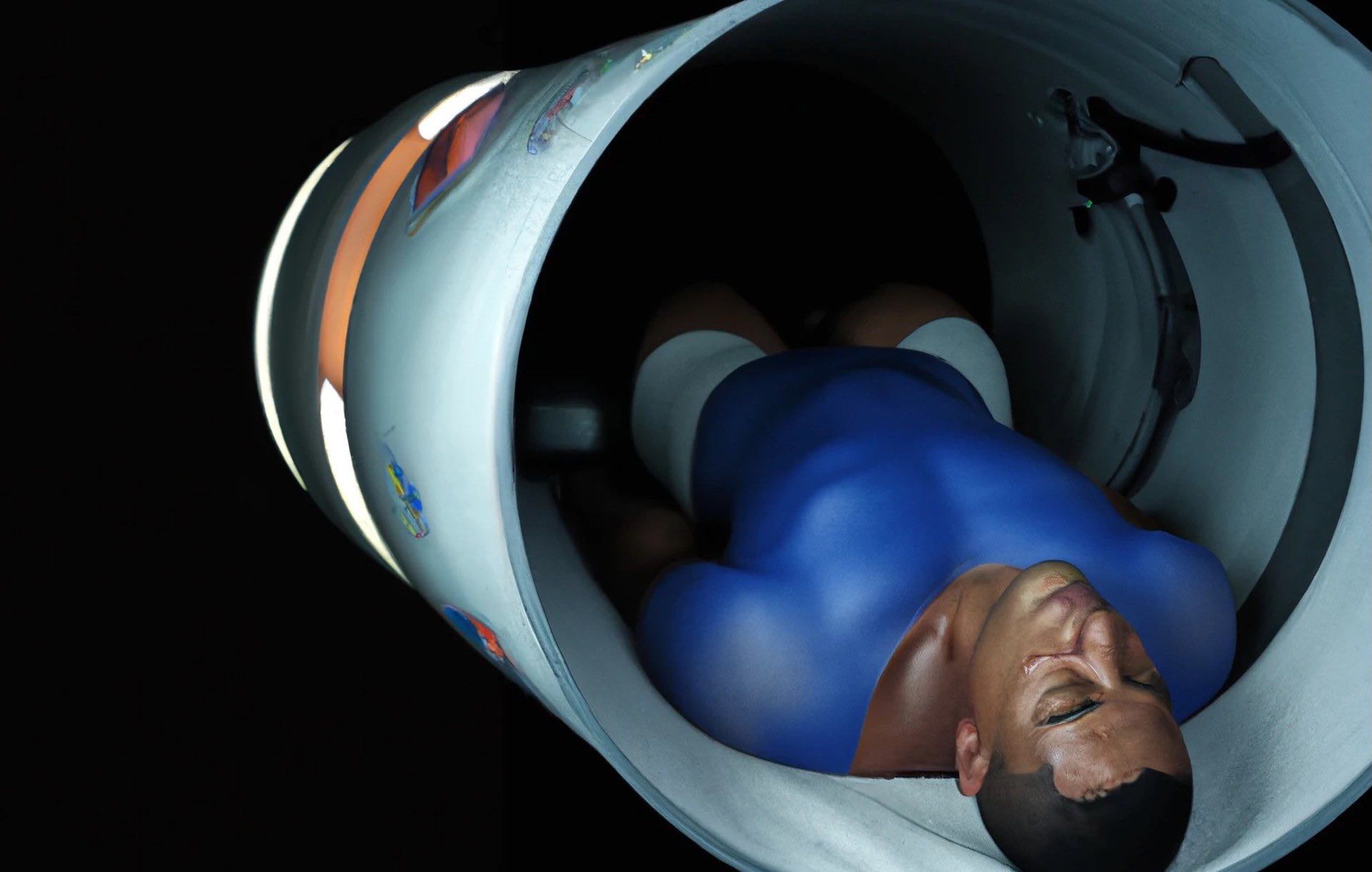
Sleep is having a moment. After decades of hustle culture glorifying the "I'll sleep when I'm dead" mentality, science has delivered an unequivocal verdict: sleep is not a luxury — it is the single most powerful performance-enhancing, disease-preventing, and longevity-extending behaviour available to humans. And in 2026, the tools and knowledge to optimize it have never been more sophisticated or accessible.
Why Sleep Has Become the Ultimate Health Frontier
The last five years have produced a cascade of landmark research connecting sleep quality to virtually every dimension of health. Poor sleep is now strongly linked to:
- Cognitive decline and Alzheimer's risk — the brain's glymphatic system, which clears metabolic waste including amyloid-beta plaques, operates almost exclusively during deep NREM sleep.
- Metabolic dysfunction — just one week of sleeping six hours per night can induce pre-diabetic blood glucose levels in healthy adults, according to multiple controlled trials.
- Immune suppression — chronic short sleepers show significantly reduced natural killer cell activity, with implications for cancer surveillance.
- Cardiovascular disease — sleeping fewer than seven hours is associated with a 24% higher risk of coronary heart disease, independent of other lifestyle factors.
- Mental health — REM sleep plays a critical role in emotional regulation, and disrupted REM architecture is now considered a primary driver of anxiety and depression.
The positive flip side is equally compelling: consistent, high-quality sleep accelerates muscle repair, sharpens decision-making, enhances creativity, and is strongly correlated with longer life expectancy.
The 2026 Sleep Technology Landscape
Consumer sleep tech has matured dramatically. The devices now available offer hospital-grade insights that were unimaginable even five years ago.
Next-Generation Wearables
Ring-form factor devices have become the dominant platform for sleep tracking, largely displacing wrist-based wearables for overnight use. The third generation of devices in this category now measures not only heart rate variability (HRV) and blood oxygen saturation but also skin temperature, respiratory rate, and even early indicators of sleep apnea — all calibrated against polysomnography studies.
Under-mattress sensors represent an entirely friction-free alternative. The latest generation uses radar and ballistocardiography to track sleep stages, heart rate, and breathing patterns without anything worn on the body, making them ideal for people who find wearables uncomfortable during sleep.
Key metrics to track:
| Metric | What It Tells You | Target Range |
|---|---|---|
| HRV (Heart Rate Variability) | Autonomic nervous system recovery | Higher = better recovered |
| Resting Heart Rate | Cardiovascular recovery | Lower than daytime average |
| Respiratory Rate | Overall health, apnea risk | 12–20 breaths/min |
| SpO2 (blood oxygen) | Apnea, altitude adaptation | >95% |
| Sleep Efficiency | Time asleep vs. time in bed | >85% |
| Deep Sleep % | Physical restoration | 13–23% of total sleep |
| REM Sleep % | Memory consolidation, emotional regulation | 20–25% of total sleep |
AI-Driven Sleep Coaching
The latest iteration of AI health assistants goes far beyond displaying raw data. Modern platforms ingest weeks of sleep metrics alongside calendar data, nutrition logs, and activity records to deliver personalised, adaptive coaching. These systems can identify, for example, that your deep sleep consistently drops after evening alcohol consumption, or that your HRV is significantly higher on days when you exercise before noon rather than in the evening.
The Biology of Sleep: What Actually Happens at Night
Understanding sleep architecture helps you make smarter optimization choices.
The Sleep Cycle
Sleep unfolds in roughly 90-minute cycles repeated four to six times per night. Each cycle contains:
- NREM Stage 1 (light sleep): The transition from wakefulness. Lasts 1–7 minutes.
- NREM Stage 2: Heart rate and body temperature drop. Sleep spindles consolidate motor memories. This stage comprises about 50% of total sleep.
- NREM Stage 3 (deep sleep / slow-wave sleep): The most physically restorative stage. Growth hormone is released, tissues are repaired, and the immune system is strengthened. Dominates the first half of the night.
- REM sleep: Brain activity resembles wakefulness. Emotional memories are processed, creative connections are formed, and motor skills are refined. Dominates the second half of the night.
This architecture explains why cutting sleep short — even by 90 minutes — disproportionately eliminates REM sleep, which is concentrated in the final cycles. The implication: consistent sleep timing matters as much as duration.
Evidence-Based Strategies for Better Sleep
1. Temperature Manipulation
Your core body temperature must drop by approximately 1–3°C to initiate and maintain sleep. This is one of the most actionable levers available:
- Keep your bedroom cool: Research consistently identifies 18–19°C (65–67°F) as optimal for most adults.
- Warm bath or shower 1–2 hours before bed: Paradoxically, warming your skin triggers peripheral vasodilation, which accelerates core temperature drop.
- Cooling mattress pads: Thermoregulating sleep systems that actively cool or warm the mattress throughout the night have shown significant improvements in deep sleep duration in controlled studies.
2. Light Exposure Protocol
Light is the dominant zeitgeber — the environmental signal that synchronises your circadian clock.
- Morning: bright light within 30 minutes of waking. Even on cloudy days, outdoor light provides 10–50× more lux than typical indoor lighting. This anchors your circadian phase and accelerates cortisol awakening response.
- Evening: eliminate blue-wavelength light 2–3 hours before bed. Blue light (peaks around 480nm) potently suppresses melatonin production. Use amber-tinted glasses, red/amber lighting, or blue light filter settings on all screens.
- Night: complete darkness. Even small amounts of light during sleep can suppress melatonin and shift circadian phase. Blackout curtains and eye masks are among the highest ROI sleep investments available.
3. Timing and Consistency
Circadian biology does not negotiate. Your sleep-wake timing is regulated by a master clock in the suprachiasmatic nucleus, and consistency is its primary requirement:
- Fixed wake time, even on weekends, is the most powerful anchor for circadian rhythm stability.
- Chronotype awareness: Significant individual variation exists in natural sleep timing. Fighting your chronotype incurs a real physiological cost. If possible, align work schedules with your natural propensity for sleep and wakefulness.
- Caffeine half-life: Caffeine has a half-life of 5–7 hours in most adults. A 3pm coffee leaves 25% of that caffeine in your system at midnight. Most sleep experts now recommend a caffeine cut-off of noon to 1pm for anyone experiencing sleep difficulties.
4. The Pre-Sleep Wind-Down Window
A structured 60–90 minute decompression routine is strongly associated with better sleep onset latency and quality. Effective elements include:
- Reducing cognitive load: Avoid email, news, and social media, which generate unresolved mental loops that intrude into sleep.
- Journaling: Writing down tomorrow's tasks ("offloading" them from working memory) has been shown in controlled trials to reduce time to sleep onset.
- Breathwork: Slow, diaphragmatic breathing activates the parasympathetic nervous system. Protocols such as 4-7-8 breathing or box breathing can accelerate the shift from sympathetic arousal to sleep-compatible rest.
- Reading physical books: Associated with faster sleep onset compared to digital reading, likely due to reduced light exposure and cognitive engagement patterns.
5. Supplements: What the Evidence Actually Supports
The supplement market is saturated with sleep products, but the evidence for most is weak. The interventions with the strongest research basis:
- Magnesium glycinate (300–400mg): Supports GABA signalling and has demonstrated improvements in sleep quality, particularly in adults with suboptimal magnesium status — a common deficiency.
- Melatonin (0.5–1mg, timed correctly): Effective as a circadian anchor for jet lag and shift work. Often over-dosed; low doses (0.5mg) are as or more effective than high doses (5–10mg) for phase shifting.
- Ashwagandha (300–600mg KSM-66 extract): Multiple RCTs have shown improvements in sleep quality and stress markers, likely via cortisol modulation.
- Glycine (3g): An inhibitory neurotransmitter that lowers core body temperature and has shown improvements in subjective sleep quality and daytime alertness in small trials.
Notably absent from the evidence-based list: most commercial "sleep blends," valerian root (inconsistent evidence), CBD (limited human RCT data for sleep specifically), and GABA supplements (poor blood-brain barrier penetration when taken orally).
Advanced Interventions: The Cutting Edge
For those seeking to go further, several emerging approaches are gaining research traction:
Photobiomodulation (Red Light Therapy)
Red and near-infrared wavelengths (630–850nm) have demonstrated effects on melatonin production and mitochondrial function. Evening red light sessions of 10–20 minutes are increasingly adopted by athletes and biohackers, with preliminary evidence of improved sleep quality and hormone profiles.
Targeted Memory Reactivation
Research labs are exploring acoustic stimulation timed to slow-wave sleep oscillations — essentially using precisely timed pink noise bursts to amplify deep sleep slow waves. Consumer devices implementing this approach have launched in 2025-2026, though independent validation of consumer-grade implementations is still limited.
Chronobiology-Informed Eating (Time-Restricted Eating)
Aligning food intake with daylight hours has robust effects on circadian gene expression. Finishing the last meal 3–4 hours before sleep allows core body temperature to drop more efficiently and reduces the metabolic burden during the night, improving sleep continuity and deep sleep quality.
Building Your Sleep System
The most effective approach is systematic rather than random experimentation. A practical framework:
- Baseline first: Track 2 weeks of sleep data before making changes to establish your personal patterns and identify the most impactful variables.
- Fix the fundamentals: Consistent timing, cool dark environment, and morning light exposure deliver the majority of improvement for most people.
- Layer interventions one at a time: This allows you to identify what actually works for your biology rather than attributing improvements or regressions to a confounded stack.
- Use your data: If you're tracking HRV and sleep stages, correlate interventions with outcomes. The signal is noisy night-to-night; look for weekly trends.
- Audit your lifestyle: Alcohol, late exercise, irregular meal timing, and chronic stress are typically far more impactful than any supplement or device. Address root causes before optimizing margins.
The ROI of Sleep
In a productivity culture increasingly focused on ROI, sleep delivers returns that are difficult to match through any other investment of time. Consistent, high-quality sleep is associated with:
- 26% improvement in athletic performance markers in controlled sports science studies
- Significant reduction in caloric intake and improved dietary choices the following day
- Markedly enhanced decision quality and reduced risk-taking behaviour
- Reduced all-cause mortality risk across the largest longitudinal studies
Sleep is not time lost. It is the foundation on which every other health, performance, and longevity intervention builds. In 2026, with the tools and knowledge now available, optimizing it is both a scientific imperative and a practical achievability for anyone willing to approach it with the same rigour they apply to exercise or nutrition.
The science is clear. The only question left is whether you will treat your sleep with the seriousness it deserves.