The Problem With Convenience
Somewhere between 1980 and today, what people eat in the industrialised world underwent a quiet revolution. The revolution was not in nutrients — not really. It was in processing. The food that millions of people now eat most of the time is not merely packaged or preserved. It is industrially reformulated: deconstructed, extracted, refined, and rebuilt with substances that never existed in any kitchen and were designed not to nourish but to maximise palatability, extend shelf life, and build habitual consumption.
This is the phenomenon researchers call ultra-processed food — UPF — and what the science has been showing with increasing urgency since the early 2010s is that it is doing serious harm to human health at a population scale that few chronic risk factors can match.
Understanding why requires moving past the familiar arguments about sugar and saturated fat. The UPF problem is both simpler and stranger than that.
What Ultra-Processing Actually Means
The most useful framework for understanding modern food comes from Professor Carlos Monteiro at the University of São Paulo, who in 2010 introduced the NOVA classification system. NOVA does not categorise food by nutrient content. It categorises food by the nature and degree of its industrial processing.
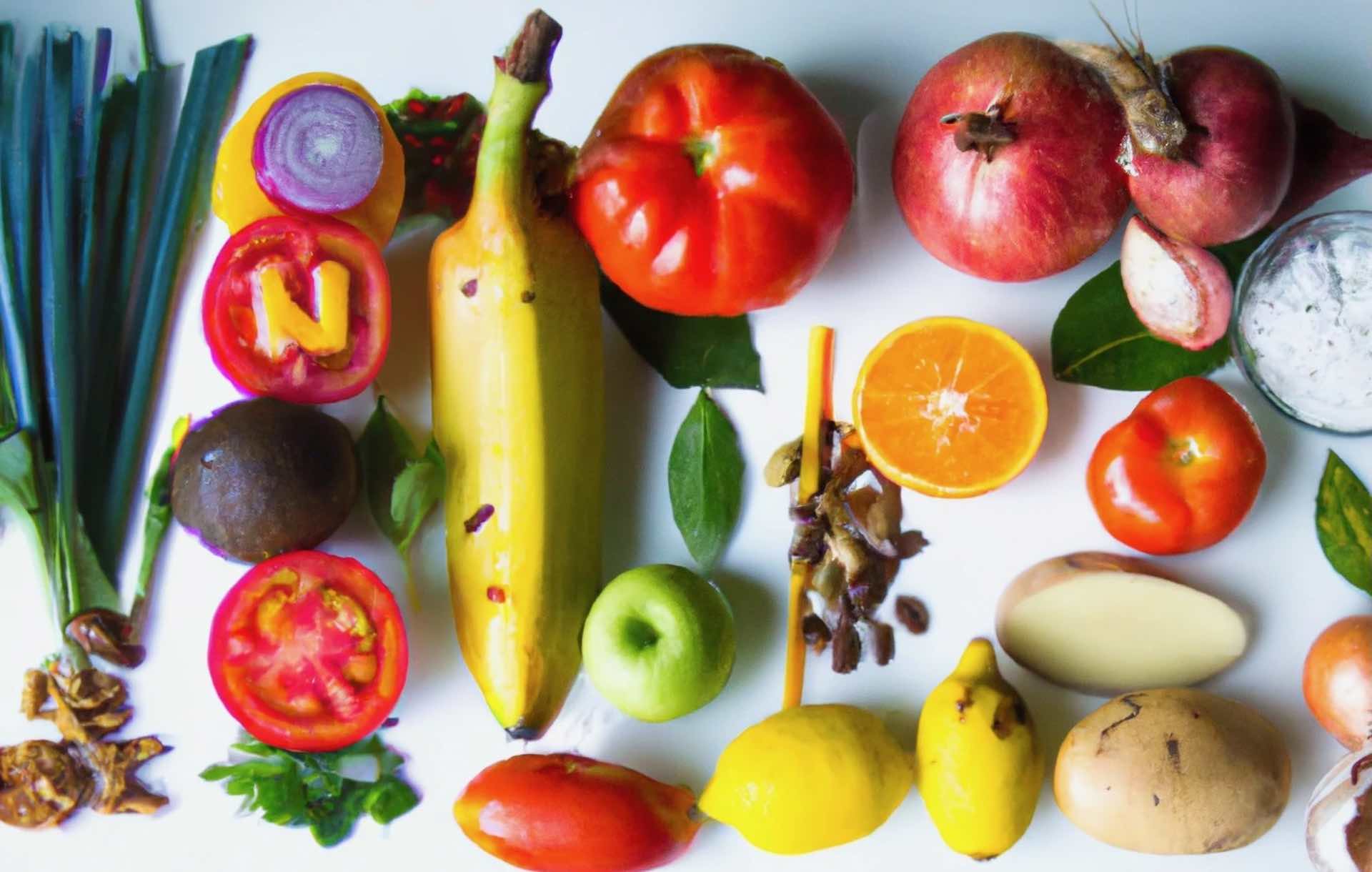
Group 1 — Unprocessed or minimally processed foods. Whole foods in their natural state, or with only minimal handling: fresh fruit, vegetables, meat, fish, eggs, legumes, nuts, plain yogurt, milk. These are the foods humans have eaten for the vast majority of their evolutionary history.
Group 2 — Processed culinary ingredients. Substances extracted from Group 1 foods and used in cooking: flour, oil, butter, salt, sugar. They are not typically eaten alone but are used to prepare Group 1 foods.
Group 3 — Processed foods. Products made by combining Group 1 and Group 2 items, often with fermentation or preservation: canned fish, artisan cheese, cured meats, simple breads, preserved vegetables. The processing is recognisable and the ingredients are foods.
Group 4 — Ultra-processed foods. Industrial formulations containing ingredients that are not foods but industrial substances: emulsifiers, stabilisers, flavour enhancers, colour additives, artificial sweeteners, preservatives, texturing agents, anti-caking agents, interesterified fats, hydrolysed proteins. The ingredient list is long, includes items you cannot buy in a shop, and often contains processed fractions of food (whey protein isolate, high-fructose corn syrup, maltodextrin) rather than foods themselves.
Ultra-processed foods dominate the modern diet. In the United Kingdom and United States, they account for approximately 55–60 percent of daily caloric intake for adults. Among children, the figure is higher still. In Brazil, where the NOVA system was developed, the share has risen from roughly 20 percent of calories in 1985 to over 40 percent by 2023. The trajectory is upward everywhere that incomes rise enough for convenience food to become accessible.
The Epidemiology: What the Studies Show
The association between UPF consumption and adverse health outcomes has been documented across populations, countries, and study designs. By the mid-2020s, the volume and consistency of evidence has moved researchers from correlation to something approaching mechanistic understanding.
Mortality
A 2019 JAMA Internal Medicine study following 44,551 French adults found that a 10 percentage-point increase in UPF share of the diet was associated with a 14 percent higher risk of all-cause mortality. A 2023 BMJ study of nearly 200,000 UK Biobank participants found that people in the highest UPF consumption quartile had a 21 percent higher risk of dying from any cause compared to the lowest quartile. A 2024 analysis published in The Lancet covering 30 countries found associations between UPF intake and reduced life expectancy in high-income nations.
Cardiovascular Disease
Multiple large prospective studies have linked higher UPF consumption to elevated cardiovascular disease risk. The PURE study, spanning 135,000 participants across 18 countries, found that UPF consumption predicted cardiovascular events independently of overall diet quality. The association has been found across diverse food cultures, suggesting it is not driven by confounders particular to one population.
Cancer
A 2022 BMJ study following over 197,000 UK adults found associations between UPF consumption and overall cancer risk, with particularly strong links to ovarian and breast cancer. A French prospective study found associations with several cancer types. While specific mechanisms remain under investigation, researchers point to additives (certain artificial sweeteners, preservatives, and emulsifiers), contaminants from packaging, and displacement of protective dietary components as plausible pathways.
Type 2 Diabetes and Metabolic Syndrome
High UPF consumption consistently predicts higher rates of type 2 diabetes, insulin resistance, and metabolic syndrome. A meta-analysis of 15 prospective cohort studies found a 12 percent increase in type 2 diabetes risk per 10 percent increment in UPF caloric share. The glycaemic impact of highly processed carbohydrates and the disruption of satiety signalling are proposed mechanisms.
Mental Health and Cognitive Decline
Among the more surprising findings is the association between UPF consumption and depression. Multiple cohort studies — including a large study published in JAMA Network Open in 2023 — have found positive associations between UPF intake and incident depression, with artificial sweeteners, particularly aspartame and sucralose, showing the strongest signals. Research on dementia risk has shown similar patterns, with an Australian cohort study finding that high UPF consumers had a significantly elevated risk of cognitive decline over a decade of follow-up.
Gut Microbiome Disruption
Emulsifiers, a common UPF additive used to improve texture and shelf life, have been shown in both animal and human studies to alter the composition of the gut microbiome, increasing intestinal permeability and promoting low-grade inflammation. Carboxymethylcellulose and polysorbate 80 — among the most widely used food emulsifiers — showed these effects at doses within the range of normal dietary exposure. Given the gut microbiome's centrality to immune function, metabolic regulation, and mental health, this pathway may be one of the most important mechanisms connecting UPF consumption to the full range of observed health outcomes.
Why Ultra-Processing Is Different From "Unhealthy Eating"
The natural response to the UPF literature is to say: of course, people who eat more fast food and ready meals have worse health outcomes. They probably eat fewer vegetables, exercise less, have lower incomes, and face more stressors. The association is just a proxy for a generally unhealthy lifestyle.
This objection is reasonable and has been taken seriously by researchers. The response to it has been two things.
First, the major UPF studies have adjusted for total calorie intake, saturated fat, sugar, sodium, fibre, socioeconomic status, physical activity, smoking, and other confounders. The associations diminish somewhat with adjustment — as they should, since UPFs often deliver the nutrients that drive some of the harm — but they do not disappear. Something about UPF beyond its macronutrient profile appears to predict poor health outcomes.
Second, the mechanistic evidence is growing. Kevin Hall at the US National Institutes of Health conducted a randomised crossover trial — the only dietary intervention study of its kind to date — in which 20 adults spent four weeks eating either an ultra-processed diet or an unprocessed diet matched for macronutrients, sugar, fat, fibre, and total calories. Participants on the UPF diet ate an average of 500 kcal more per day and gained weight. Those on the unprocessed diet ate less and lost weight. The diets were matched on every measurable nutritional parameter. The only variable was processing. This does not prove everything, but it suggests that something about UPF — beyond its nutrients — drives overconsumption.
The leading candidates include:
Ultra-palatability engineering. UPFs are specifically designed to hit the bliss points of salt, sugar, and fat in combinations and textures that whole foods rarely achieve. The research of Howard Moskowitz, made famous by Michael Moss's work on the food industry, showed that companies systematically optimise for maximum palatability — the point at which a product is compelling enough to trigger desire without being so overwhelming that consumption self-limits. This engineering of palatability is impossible with whole foods.
Speed of consumption and satiety delay. Ultra-processed foods are typically designed to be soft, easily chewed, and rapidly swallowed. They lack the structural integrity of whole foods, which require more chewing and slow gastric emptying. The hormonal satiety signals that tell you to stop eating — ghrelin suppression, peptide YY and GLP-1 release — lag behind caloric intake. Eating fast food that bypasses normal eating pace can mean consuming many more calories before the satiety signal arrives.
Additive effects on microbiome and appetite regulation. Beyond emulsifiers, artificial sweeteners have been shown to alter gut bacteria composition and impair glucose metabolism in ways that may promote hunger and metabolic dysfunction. Flavour compounds that have no caloric content may dysregulate appetite cues by training the brain to dissociate sensory reward from caloric intake.
The Food Industry's Response
The major food manufacturers have not accepted the NOVA framework or the UPF research uncritically. Their objections are worth understanding because some are substantive and some are not.
The substantive ones: NOVA groups heterogeneous products together in ways that can be misleading. A mass-produced wholegrain bread with an emulsifier is grouped with a confectionery product with 15 additives. Not all ultra-processed foods are equally harmful, and the category obscures meaningful variation.
The less substantive ones: that the associations are confounded by general unhealthy lifestyles (addressed above), that nutrient reformulation can make UPFs healthy (Hall's intervention study challenges this), and that affordability and accessibility arguments mean people should not be told to avoid UPFs without offering alternatives (a policy question, not a scientific one).
The food industry's response to this research has followed a now-familiar playbook: fund alternative research, emphasise uncertainty, participate in regulatory processes to limit the scope of labelling requirements, and — most revealingly — begin developing products positioned as "not ultra-processed" while maintaining the core manufacturing economics that make industrial food profitable. This last move implicitly concedes that the category distinction matters.
Where Policy Is Moving
The regulatory response to UPF research is accelerating. Several developments are shaping the policy landscape as of 2026:
Brazil — where the NOVA system originated — now uses UPF reduction as a core recommendation in national dietary guidelines. This is the only country to have made that move explicitly, but others are considering it.
UK — The National Food Strategy, food advertising regulations targeting children, and the NHS's ongoing research programme have all engaged with UPF as a distinct category. The Labour government has introduced front-of-pack warning labels for high-UPF products.
European Union — The Nutri-Score labelling system does not directly address UPF, but the European Food Safety Authority has commissioned systematic reviews on food additive safety, several of which have found existing approvals inadequately supported by current evidence.
United States — The FDA is conducting a review of GRAS (Generally Recognised As Safe) food additive approvals, many of which date from the 1950s and have never been updated to reflect modern research. The process is slow, but the direction is toward greater scrutiny of additives that were assumed safe.
The practical implication of these policy shifts is that food labelling is likely to become more informative and possibly more alarming over the next five years. Products that are currently marketed as healthy choices may require reformulation or different positioning as UPF-specific metrics become part of regulatory frameworks.
The Practical Response: How to Navigate a UPF-Dominated Food Environment
Individual action in a system designed to work against you is not a complete solution to a population-level problem. But it is not nothing, either. For individuals who want to reduce UPF consumption without the project consuming their lives, the following framework is practical.
Apply the Five-Second Ingredient Test
Read the ingredient list. If it contains substances you could not buy in a supermarket and would not find in a domestic kitchen — carboxymethylcellulose, acesulfame potassium, sodium stearoyl lactylate, polydextrose, modified maize starch — the product is almost certainly ultra-processed. This is not a perfect heuristic, but it is a fast one that catches the vast majority of Group 4 products.
Cook From Group 1 Ingredients More Often
The most effective structural intervention is also the most obvious: cook from whole and minimally processed ingredients more frequently. This does not require elaborate meals. A lunch of tinned fish, olive oil, lemon juice, and wholegrain bread prepared at home is not ultra-processed. The same caloric intake from a supermarket sandwich with 22 ingredients probably is.
Identify Your UPF Triggers
The UPF burden is not evenly distributed across meals and occasions. For many people, the highest-volume UPF consumption happens at specific moments: breakfast cereals, convenience snacks, ready meals, confectionery, and sweetened beverages. Targeting those specific categories — rather than attempting a wholesale lifestyle overhaul — offers the best return on effort.
Embrace Inconvenience as a Feature
One of the more counterintuitive insights from behavioural nutrition research is that mild friction — having to peel an orange rather than open a bag of crisps — significantly reduces mindless consumption. You do not have to eliminate UPFs from your house. Making them slightly harder to reach while making whole food snacks (nuts, fruit, cheese, yogurt) slightly easier to reach shifts the balance meaningfully over time.
Be Sceptical of Health Claims on Packaging
The most aggressively health-marketed products in a typical supermarket are often ultra-processed. Protein bars, vitamin-fortified cereals, low-fat yogurts with stabilisers and sweeteners, and plant-based meat alternatives are frequently Group 4 products with health halos. The marketing language ("high protein," "no added sugar," "good source of fibre") is engineered to create a positive nutritional impression. The ingredient list is more informative than the front of the pack.
The Broader Picture: What Ultra-Processed Foods Reveal
The UPF crisis is not fundamentally about junk food. It is about the economics of industrialised food systems and the way those economics have diverged from human health.
Ultra-processed food is cheap because industrial scale, commodity ingredients, and synthetic additives allow margins that whole food production cannot match. It is convenient because shelf stability, portability, and pre-preparation address real constraints of modern life. It is ubiquitous because its profitability funds the marketing budgets and supermarket positioning that make it the default option at every decision point.
What the research is demonstrating — across a decade of accumulating evidence — is that these products are not neutral. They are not just empty calories. Something in the industrial processing itself, beyond the macronutrients, appears to harm the bodies that consume them habitually and at scale.
That finding has not yet reorganised global food systems. Food policy changes slowly, the industry is large and well-resourced, and behavioural change at population scale is genuinely difficult. But the science has shifted enough that the informed question is no longer "are ultra-processed foods harmful?" The question now is: "how much, through what mechanisms, and what do we do about it?"
The answers are becoming clearer, and the picture they reveal demands a response — from policymakers, from food companies, and from individuals navigating a food environment that was not designed with their health as the priority.
The Bottom Line
The evidence on ultra-processed foods has reached the kind of critical mass that warrants serious attention from anyone interested in long-term health. It is not a moral argument about clean eating. It is a pragmatic one about the statistical consequences of dietary patterns that have become normalised across the industrialised world.
You cannot eliminate every UPF from your diet, and trying to do so is probably not worth the cognitive overhead. But understanding what the category is, learning to recognise it quickly, and making deliberate choices to shift the balance of your diet toward Group 1 and minimally processed foods is among the highest-value health interventions available — more evidence-backed than most supplements, more durable than most dietary trends, and free.
The food industry spent decades and billions of dollars making ultra-processed food the path of least resistance. Making it slightly less automatic — starting with awareness — is where the practical work begins.